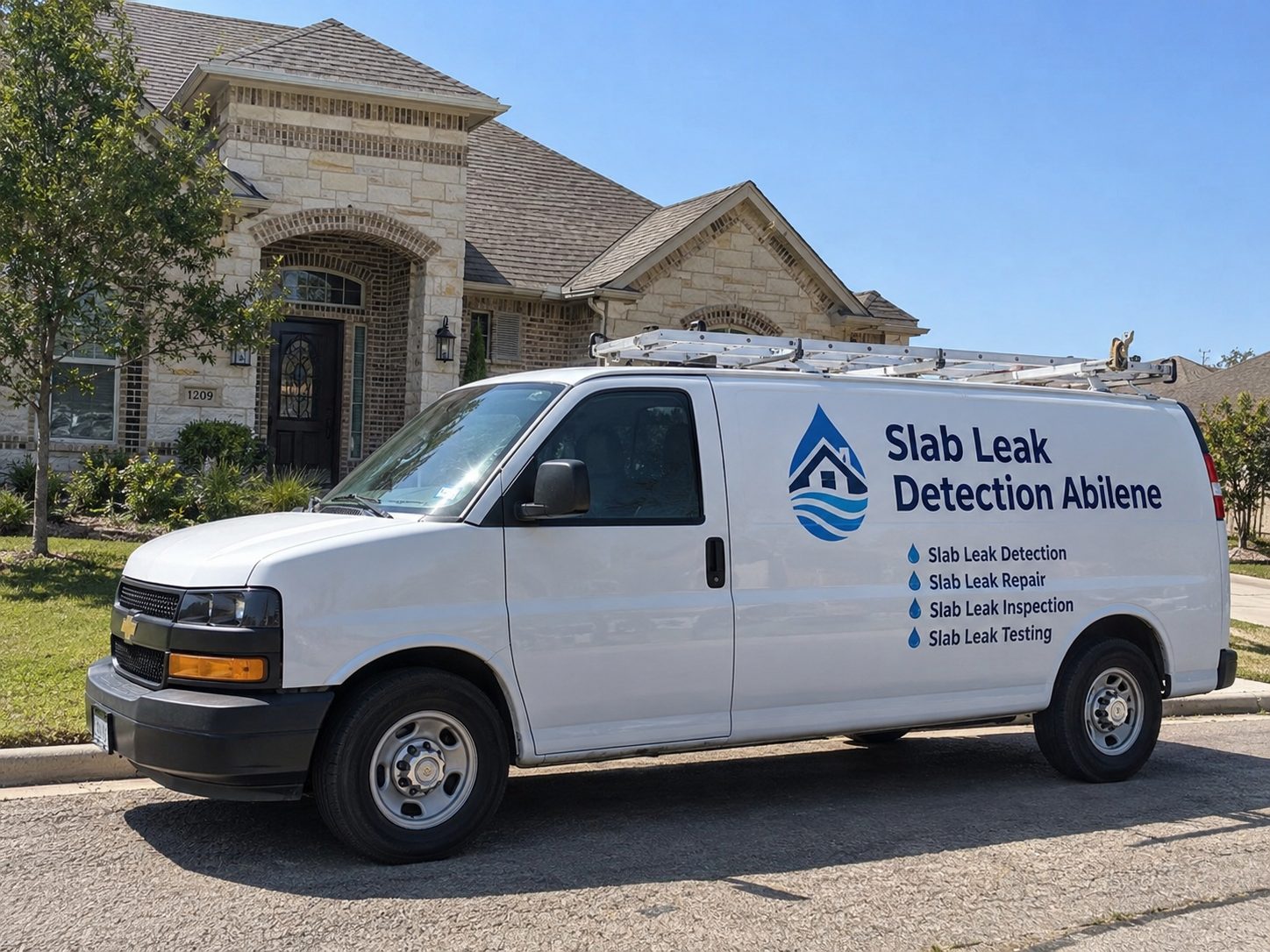
Confirm Hidden Water Loss
Slab Leak Testing in Abilene, TX
Get clearer evidence before planning a slab repair. Get a Free Estimate
Confirm Hidden Water Loss
Get clearer evidence before planning a slab repair. Get a Free Estimate
Slab leak testing is useful when the symptoms suggest a hidden plumbing problem but the source is not visible. Instead of opening floors to search for a damaged pipe, testing looks at how the plumbing system behaves. Pressure loss, meter activity, isolation results, temperature patterns, and other findings can help confirm whether a concealed leak is likely.
At Slab Leak Detection Abilene, we use testing as part of a step-by-step investigation. The exact combination of tests depends on the property and the symptoms. The goal is to answer increasingly specific questions: Is water being lost? Which side of the plumbing system appears affected? Can the problem be narrowed to a particular run or zone? That information creates a stronger foundation for locating and repair decisions.
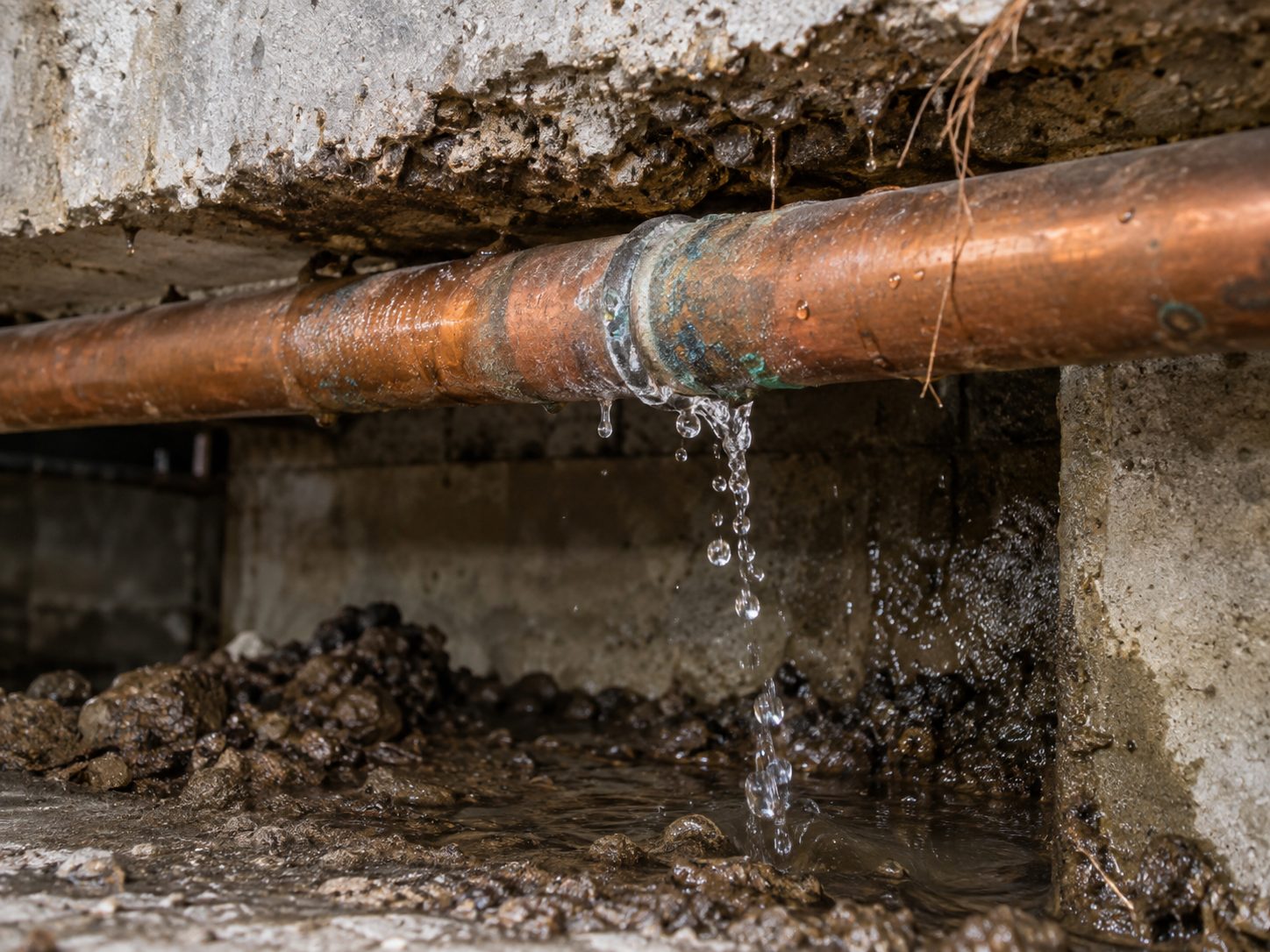
There is rarely one single test that answers every question. Useful leak testing often involves comparing several observations until they point toward the same part of the plumbing system.
With legitimate water use stopped, meter behavior can help indicate whether water is still moving through the system. Continuous unexplained consumption is an important clue, though fixtures, irrigation, appliances, and other connected equipment need to be considered. Meter testing is often an efficient starting point because it helps establish whether the property is experiencing active water loss at the time of the inspection.
A plumbing system that cannot maintain expected pressure may have a leak, although valves and other components can also influence test results. Pressure testing provides information about whether a section of piping appears able to hold pressure over the test period. When combined with isolation, pressure behavior can help reduce the amount of plumbing that needs further investigation.
Where the plumbing layout and accessible valves allow it, sections of the water system may be evaluated separately. Isolating portions of the system can help determine whether the suspected loss is associated with hot water, cold water, or a particular branch. The more precisely the affected portion can be identified, the more focused the later locating work can become.
A good investigation does not rely on one reading in isolation. We compare test behavior with the symptoms at the property, the plumbing layout, and any visible moisture or temperature patterns. When several findings point in the same direction, there is a stronger basis for deciding where detailed location work should be concentrated.
| Service | Estimated Cost | Average |
|---|---|---|
| Basic leak testing | $200-$450+ | Varies by system |
| Pressure and isolation testing | $300-$650+ | Varies by access |
| Testing with detailed locating | $400-$800+ | Varies by complexity |
Costs shown are broad planning ranges rather than quotes. Property size, plumbing configuration, accessible shutoffs, test complexity, and the amount of locating required can affect the final price.
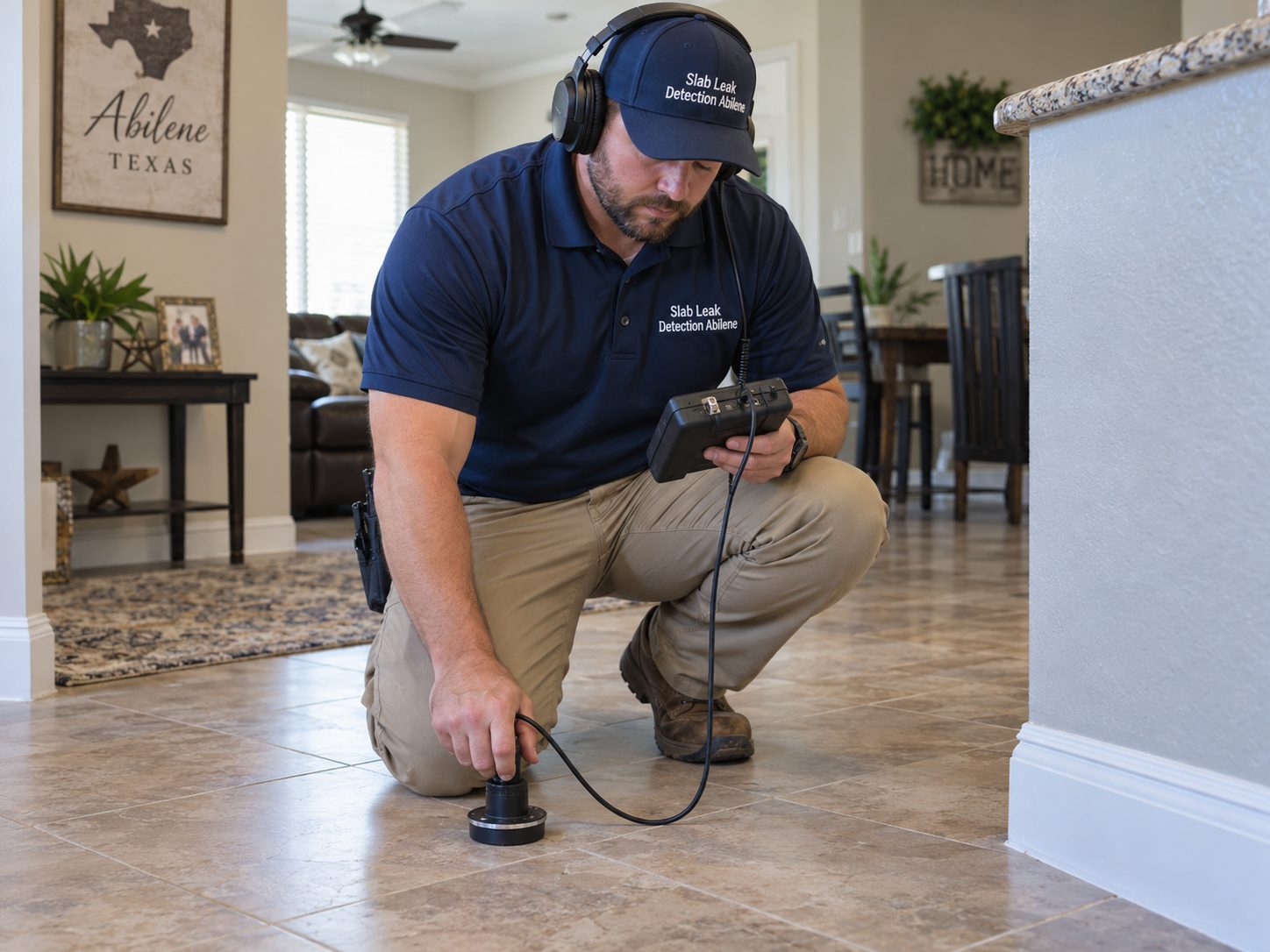
Testing can reduce the need to make invasive decisions simply because a leak is suspected.
We work from broad questions toward narrower ones so each test has a clear purpose in the investigation.
We explain what a pressure change, meter reading, or isolation result suggests without turning the conversation into technical jargon.
Our work is centered on hidden slab plumbing problems, so the testing process is tied directly to locating and repair planning.
If you need to know whether the plumbing is actually losing water beneath the slab, start with focused testing.
Free — no obligations
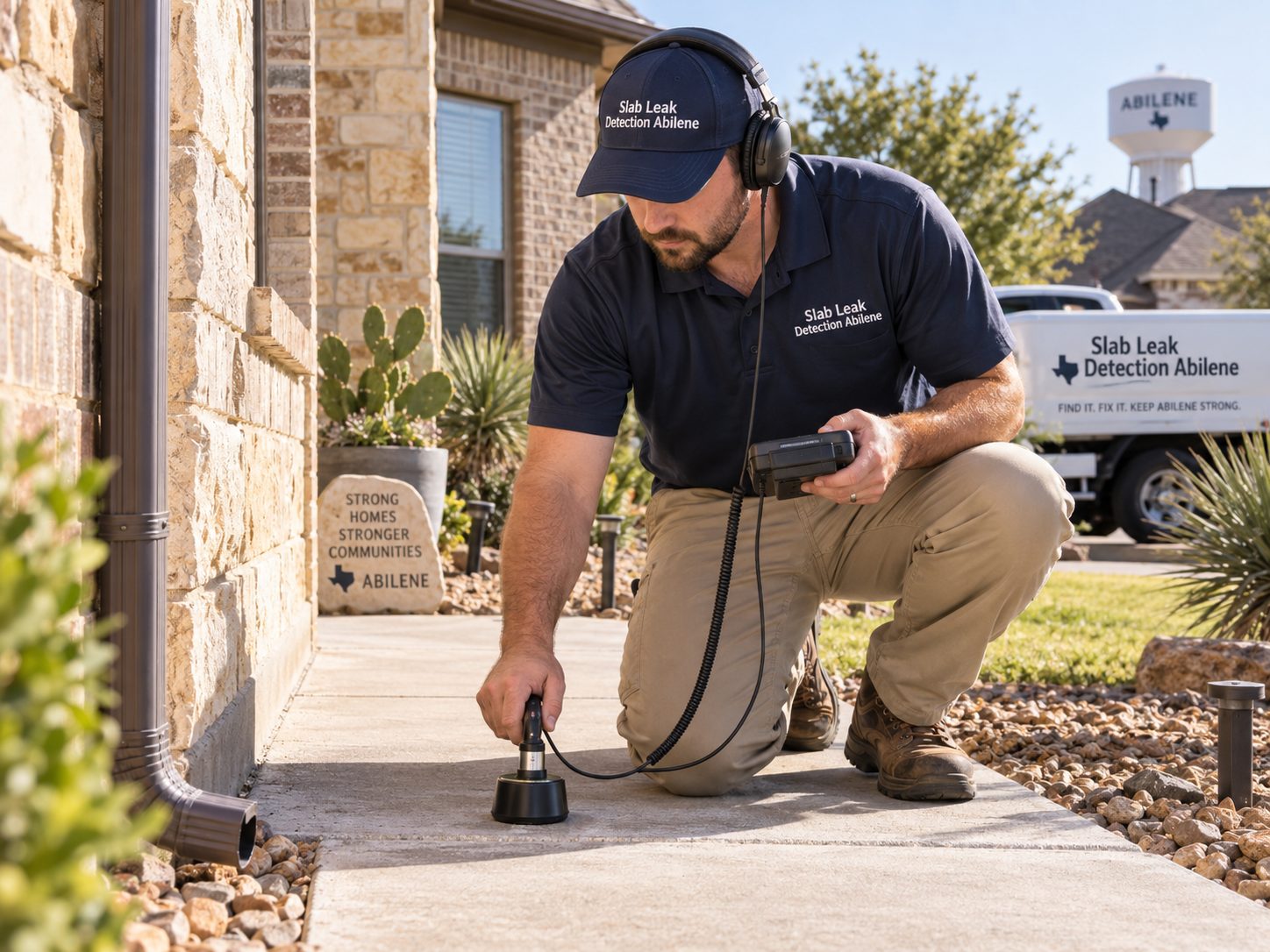
We review the symptoms and determine what normal plumbing use needs to be stopped or accounted for during testing.
Meter behavior and other system indicators are evaluated to see whether unexplained water movement is occurring.
Where appropriate, pressure behavior and separate portions of the system are evaluated to narrow the suspected piping.
We compare the results and explain whether they support a hidden leak and what additional locating or repair planning makes sense.